Nano Banana Prompt Guide
Stop guessing with AI. Master the 4-step Nano Banana Prompt Guide to create stunning, photorealistic images.
Introduction
If you’ve been following the latest waves in generative AI art, you’ve likely stumbled upon the term "Nano Banana." Whether it’s the nickname for the latest high-performance model update (like Gemini's new iterations) or a specific community style trending on X (Twitter) and Reddit, one thing is clear: the image quality is insane, but it requires a specific way of talking to the AI.
Getting that perfect, photorealistic AI portrait or stylized "Nano Banana" look isn't just about typing "a cat." It’s about structure, lighting physics, and precise camera terminology.
In this Nano Banana Prompt Guide, we are going to break down the exact formula you need to stop generating blurry, generic images and start creating viral-worthy art. Let’s dive in.
What is the "Nano Banana"?
Before we get to the prompts, it’s important to understand why this keyword is trending in 2025. The Nano Banana aesthetic represents a leap in AI image generation, characterized by three core pillars:
- Hyper-Textural Reality: Skin pores, fabric weaving, and surface imperfections are visible, moving away from the "plastic" AI look.
- Coherent Lighting: The light sources follow actual physics (no weird shadows).
- Prompt Adherence: The model listens to complex instructions better than its predecessors.
To unlock this, we need to move away from simple sentences and start using the NB Formula.
The 4-Step Nano Banana Prompt Formula
Through testing thousands of generations on bananaprompts.org, we’ve identified the golden ratio for this model. This framework works across various platforms but shines specifically with Nano-optimized models.
The Formula: [Subject Definition] + [Context & Action] + [Artistic Style/Medium] + [Technical Parameters]
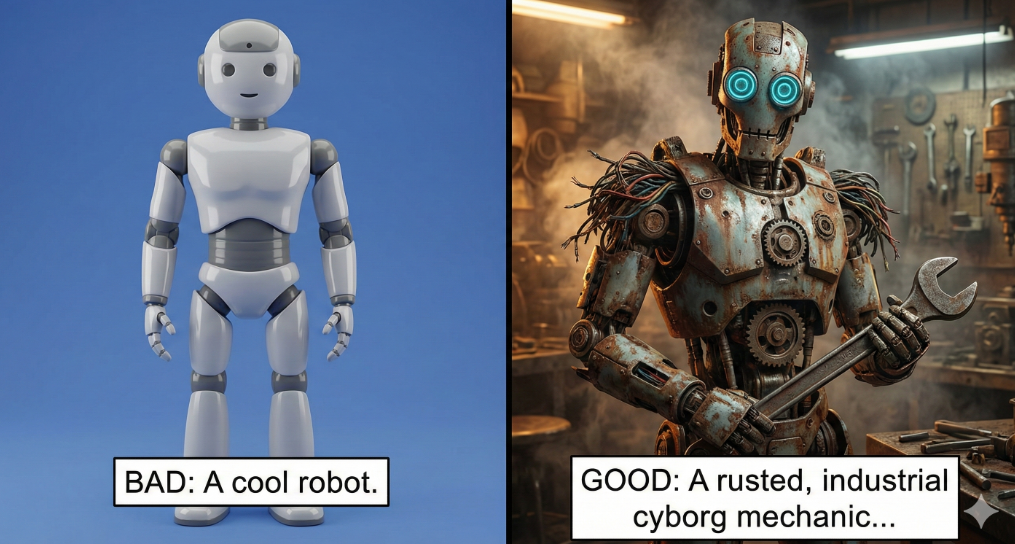
1. Subject Definition
Don't just say "a woman." Be specific to help the AI anchor the image.
- Bad: A cool robot.
- Good: A rusted, industrial cyborg mechanic with exposed wiring and neon blue eyes.
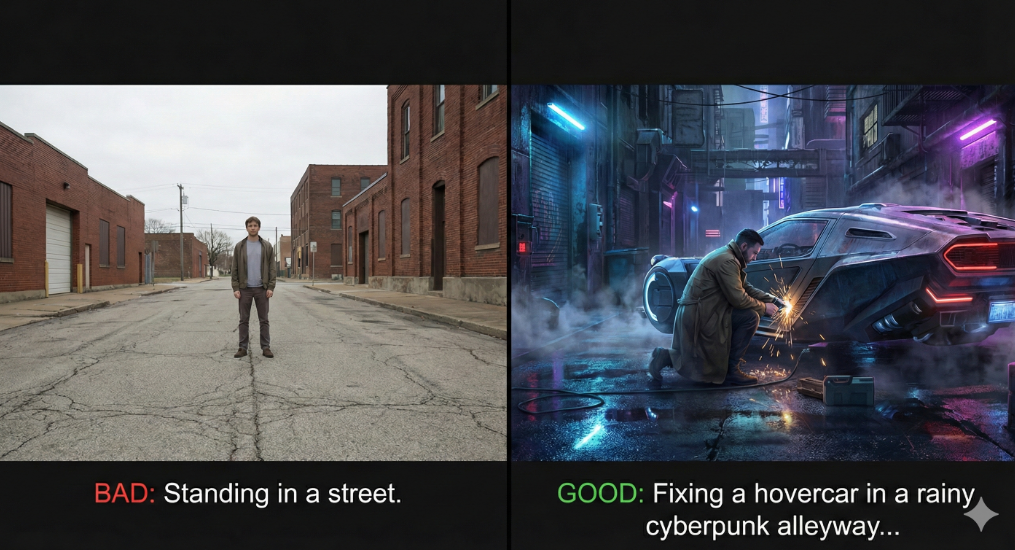
2. Context & Action
Static images are boring. Add movement and environment.
- Bad: Standing in a street.
- Good: Fixing a hovercar in a rainy cyberpunk alleyway, sparks flying, steam rising from the pavement.
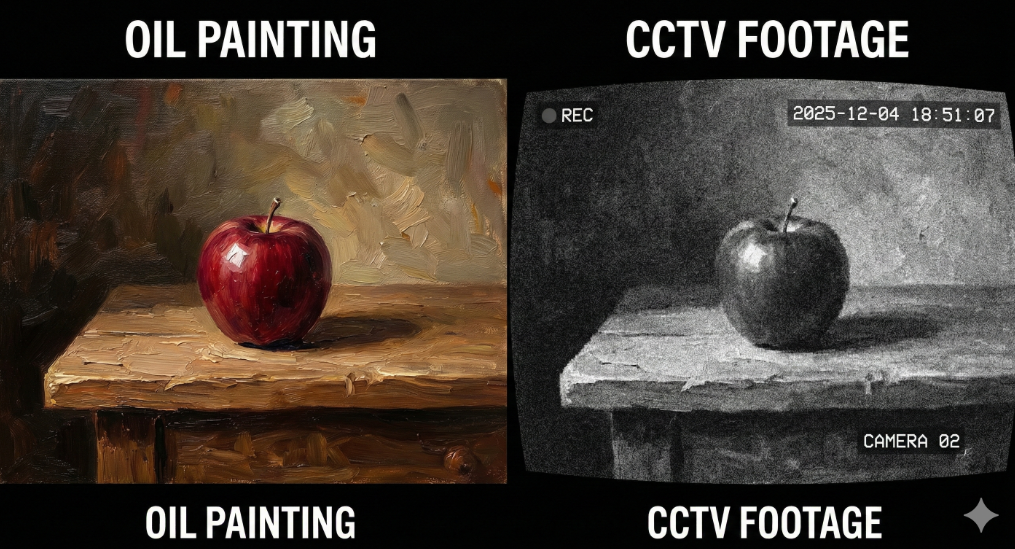
3. Artistic Style
Tell the AI what "lens" or medium to look through.
- Keywords: 3D Render, Oil Painting, Polaroid, CCTV footage, Cinematic Shot, Unreal Engine 5.
4. Technical Parameters (The Secret Sauce)
This is where the Nano Banana logic shines. It prioritizes camera specs over abstract feelings.
- Keywords: f/1.8 aperture, ISO 100, 8k resolution, volumetric lighting, ray tracing, octane render.
(SEO Tip: Browse our Full Dictionary of Camera Prompts for more technical keywords.)
Visual Proof: The Formula in Action (Before vs. After)
Does adding technical parameters really make a difference? Let's look at a comparison generated using the Nano Banana logic.
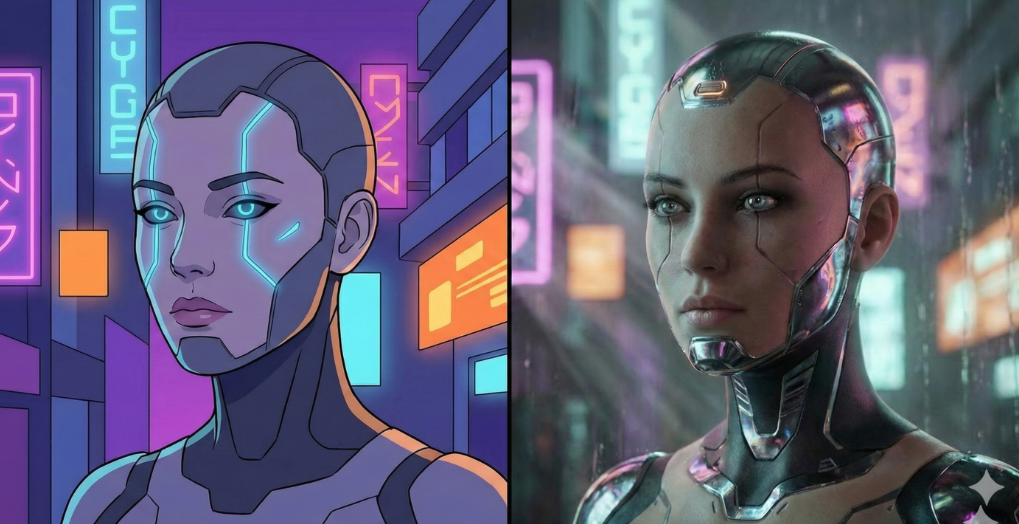
- Left (Before): "A portrait of a futuristic female cyborg in a neon city, digital art."
- Result: Flat, looks like a generic illustration.
- Right (After): "Shot on 85mm lens, f/1.8 aperture, depth of field, bokeh background, volumetric lighting, ray tracing reflections, Octane render, 8k resolution, hyper-realistic."
- Result: Cinematic depth, realistic light reflection, and tangible texture.
By simply adding the Technical Parameters from step 4, you transform a drawing into a photograph.
Copy-Paste Examples: The Nano Banana Prompt Guide
Here are three distinct styles you can try right now.
1. The "Virtual Influencer" Look (Photorealism)
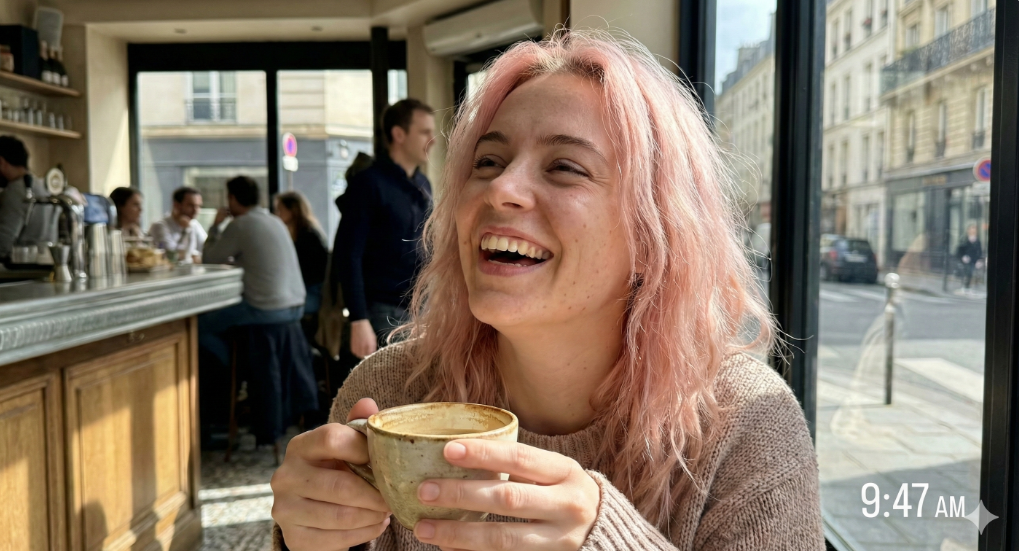
This prompt is designed to create those frighteningly real portraits that are taking over Instagram.
Prompt: A candid smartphone photograph of a young woman with pink pastel hair, sitting in a sunlit cafe in Paris, laughing naturally, holding a ceramic coffee cup. Natural skin texture, slight imperfections, shot on iPhone 15 Pro, depth of field, bright natural lighting, hdr, 4k, hyper-realistic.
2. The "3D Clay" Style (Trending)
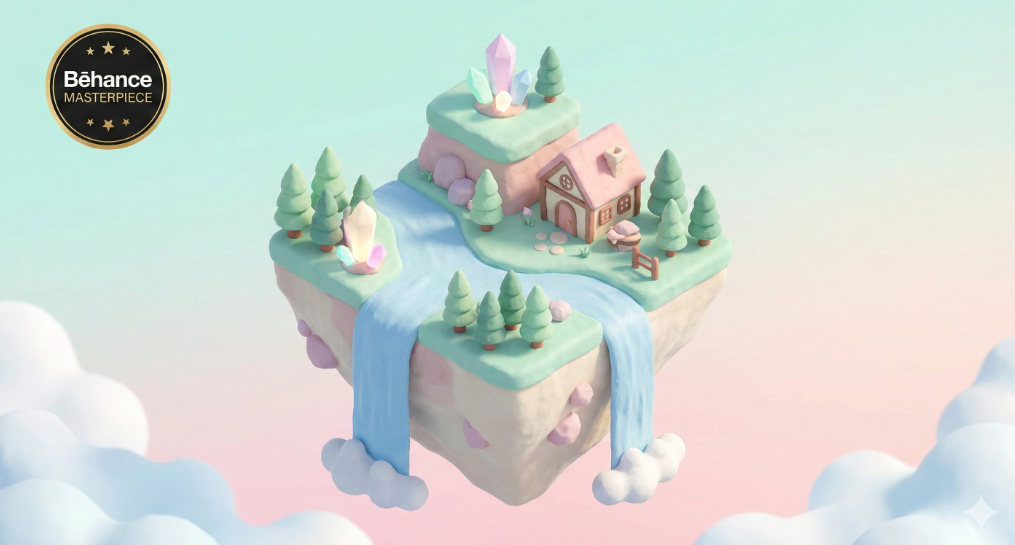
Perfect for icons, avatars, and SaaS website illustrations.
Prompt: A cute 3D rendered isometric island floating in the sky, waterfalls cascading down the sides, low poly style but with high definition textures, soft global illumination, pastel color palette, blender 3D, c4d, behance masterpiece, clay texture.
3. The Cinematic Sci-Fi Shot
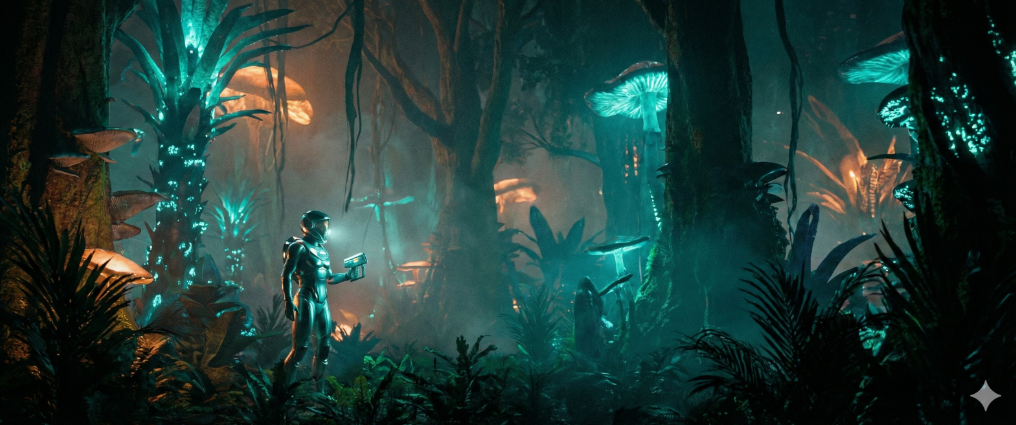
This pushes the model's understanding of light and atmosphere.
Prompt: Wide shot of a futuristic astronaut exploring a bioluminescent jungle at night, glowing exotic plants, thick volumetric fog, teal and orange color grading, cinematic composition, rule of thirds, shot on IMAX 70mm, highly detailed, dramatic shadows.
Pro Tips for Debugging Your Prompts
Even with a guide, sometimes the AI hallucinates (extra fingers, anyone?). Here is how to fix it using the Nano Banana logic:
- The "Less is More" Rule: If the image is messy, your prompt might be too long. The Nano Banana framework prefers concise, punchy adjectives.
- Aspect Ratio Matters: Don't forget to set your size.
- Use
--ar 16:9for cinematic wallpapers. - Use
--ar 9:16for TikTok/Reels backgrounds.
- Use
- Negative Prompting: If the image looks "washed out," try adding negative prompts like: (blurry, low contrast, distorted, watermark, bad anatomy).
Author

More Posts
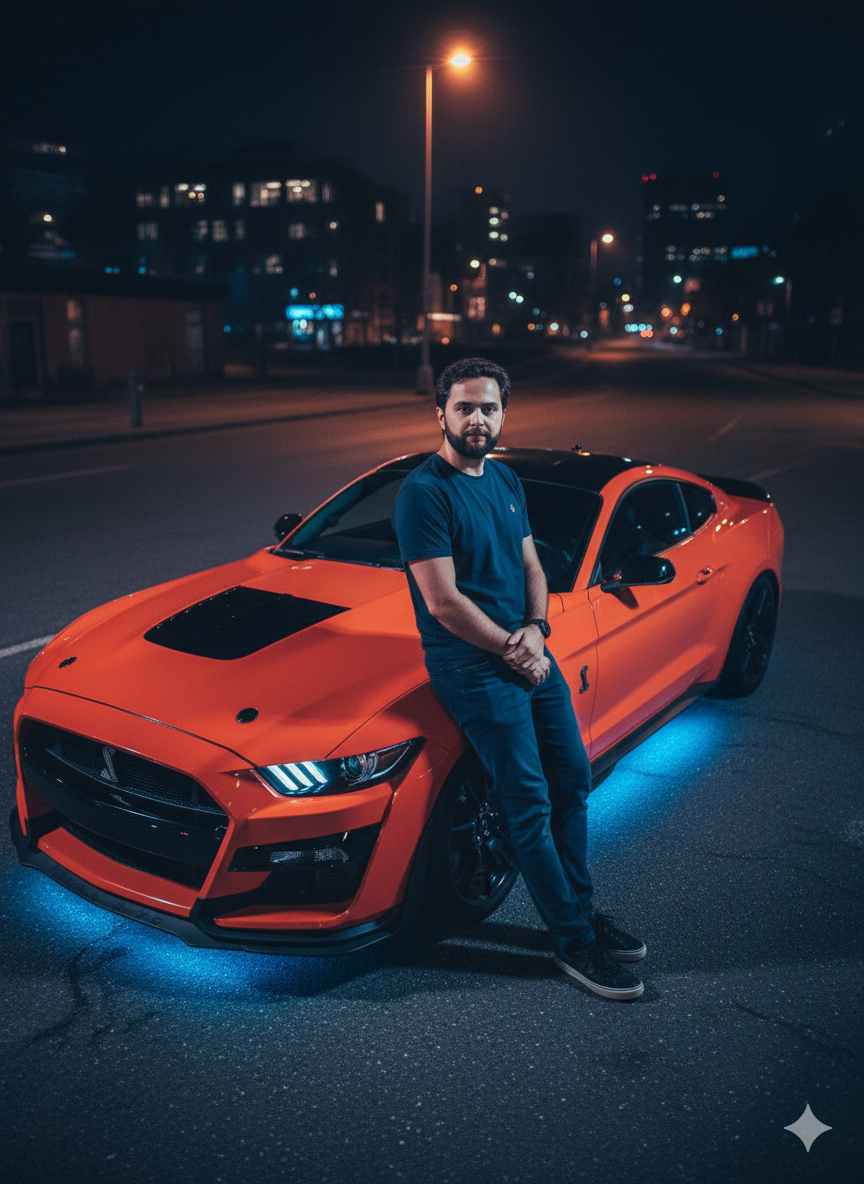
Showcase: 6 Creative Ways to Use AI Image Prompts
Discover how to create stunning AI-generated images across different styles - from professional portraits to cyberpunk scenes. Learn how to use our powerful prompt library to transform your photos into art.
Fix the Photo Before You Prompt: How Blurry Reference Images Wreck AI Portrait Edits
Blurry selfies make AI image models invent a new face. Learn a 10-second reference photo check, when to use faithful vs. generative unblurring, and prompts that keep identity intact.
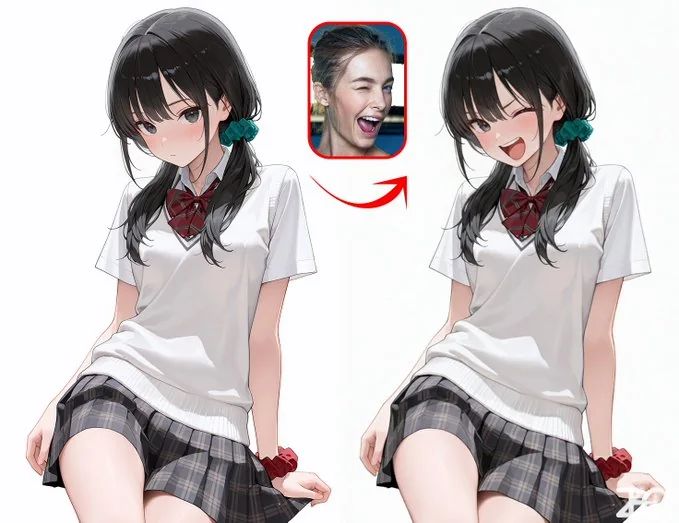
Understanding AI Prompts: The Art and Science of Perfect Instructions
Discover the fundamental principles behind effective AI prompts. Learn what makes a prompt powerful, the core elements of prompt engineering, and how to craft instructions that consistently deliver stunning results.